Author: stefan

  • Sea buckthorn: the orange berry that beats oranges at their own game

    Sea buckthorn: the orange berry that beats oranges at their own game

    Sea buckthorn looks like someone shrank an orange and gave it an attitude. The berry is small, sour, and startlingly expensive per kilo — for good reason. It’s one of the densest natural sources of vitamin C on the planet, and it carries omega-7, a fatty acid almost nothing else in your kitchen provides.

    What the science actually says

    The vitamin C claim is real: sea buckthorn berries routinely outclass oranges per gram. The omega-7 story is newer — early research links it to skin and mucous-membrane health, which is promising but not gospel. Where it clearly wins: it’s a whole-food powder, not an isolate. You get the fiber, the flavonoids, and the fat-soluble vitamins along for the ride.

    Why freeze-dried beats the rest

    Heat destroys vitamin C faster than any marketing team can inflate it. Freeze-drying pulls the water out at low temperature and keeps the nutrients intact. Ours come from Serbian orchards — the berries are picked ripe, freeze-dried within days, and ground fine. Nothing added, nothing extracted.

    How to use it

    • One teaspoon in a morning smoothie — the tartness pairs well with banana and orange
    • Whisked into yogurt with a drizzle of raw honey
    • Stirred into sparkling water with lemon for a genuinely good soda alternative

    Start with half a teaspoon if you’re new to it. The flavor is bright and citrusy — a little goes a long way, and your blender will forgive you.
  • Raw honey, real honey: how to tell the difference

    Raw honey, real honey: how to tell the difference

    Most honey on supermarket shelves has been heated to stay clear and runny forever, pushed through micro-filters, and sometimes blended with cheaper syrups. It looks like honey. It behaves like honey. It is mostly not honey.

    What ‘raw’ actually means

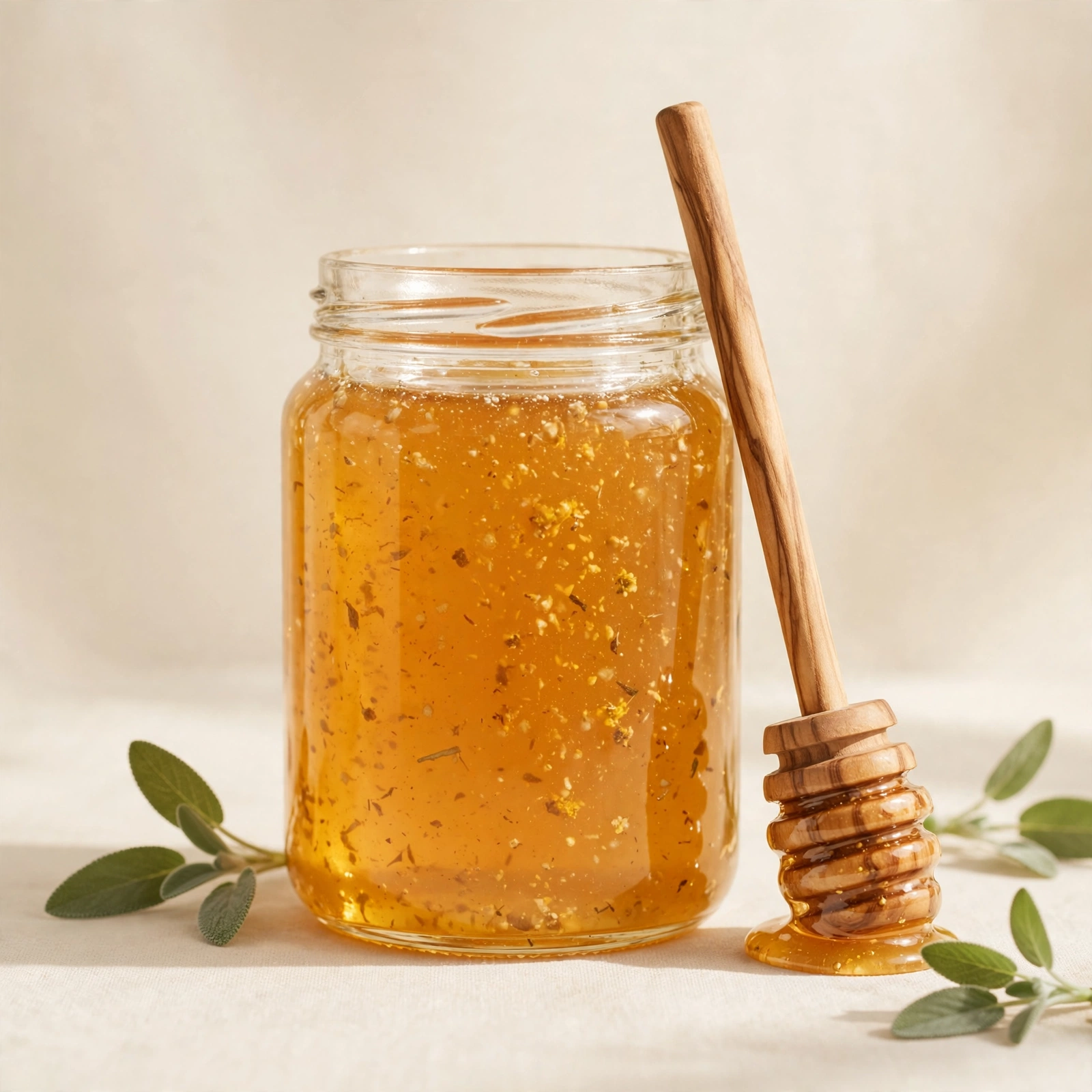
    Raw honey is extracted from the comb and strained — never pasteurized, never ultra-filtered. That means it keeps its pollen, its enzymes, and its yeasts. Those yeasts are exactly why raw honey crystallizes: they’re alive, and over time the glucose settles out of solution. Crystallization isn’t spoilage. It’s proof nobody cooked your honey.

    Three tells on the label

    • ‘Blend of EU and non-EU honeys’ — code for ‘we don’t know and neither will you’
    • A single floral source and a region — wildflower, acacia, forest — traceable honeys name where they came from
    • Crystals in the jar — a good sign, not a defect

    Why small-batch apiaries win

    Our wildflower honey comes from small Balkan apiaries — hives that move with the bloom, not industrial extraction lines. Each jar is from one harvest, never blended across seasons. The flavor shifts slightly year to year, the way real food does. Wildflower notes up front, a warm caramel finish, and a texture that thickens in winter because nobody tampered with it.

    If your honey crystallizes and you want it liquid again: stand the jar in warm (not boiling) water and stir. That’s the whole trick.

  • The 3pm crash, and how to skip it without more coffee

    The 3pm crash, and how to skip it without more coffee

    It arrives like clockwork: 3pm, the screen blurs, the willpower drains, and the vending machine starts whispering. The 3pm crash isn’t laziness. It’s physiology — and the usual fix (more coffee, more sugar) is exactly what schedules the next one.

    Why it happens

    A lunch heavy in refined carbs spikes your blood glucose, insulin follows, and the crash lands two hours later. Add a sleep debt and a morning caffeine load wearing off, and 3pm is less a mystery than a scheduled event. Another espresso adds jitters on top of the dip. A candy bar promises energy on borrowed time.

    What actually works

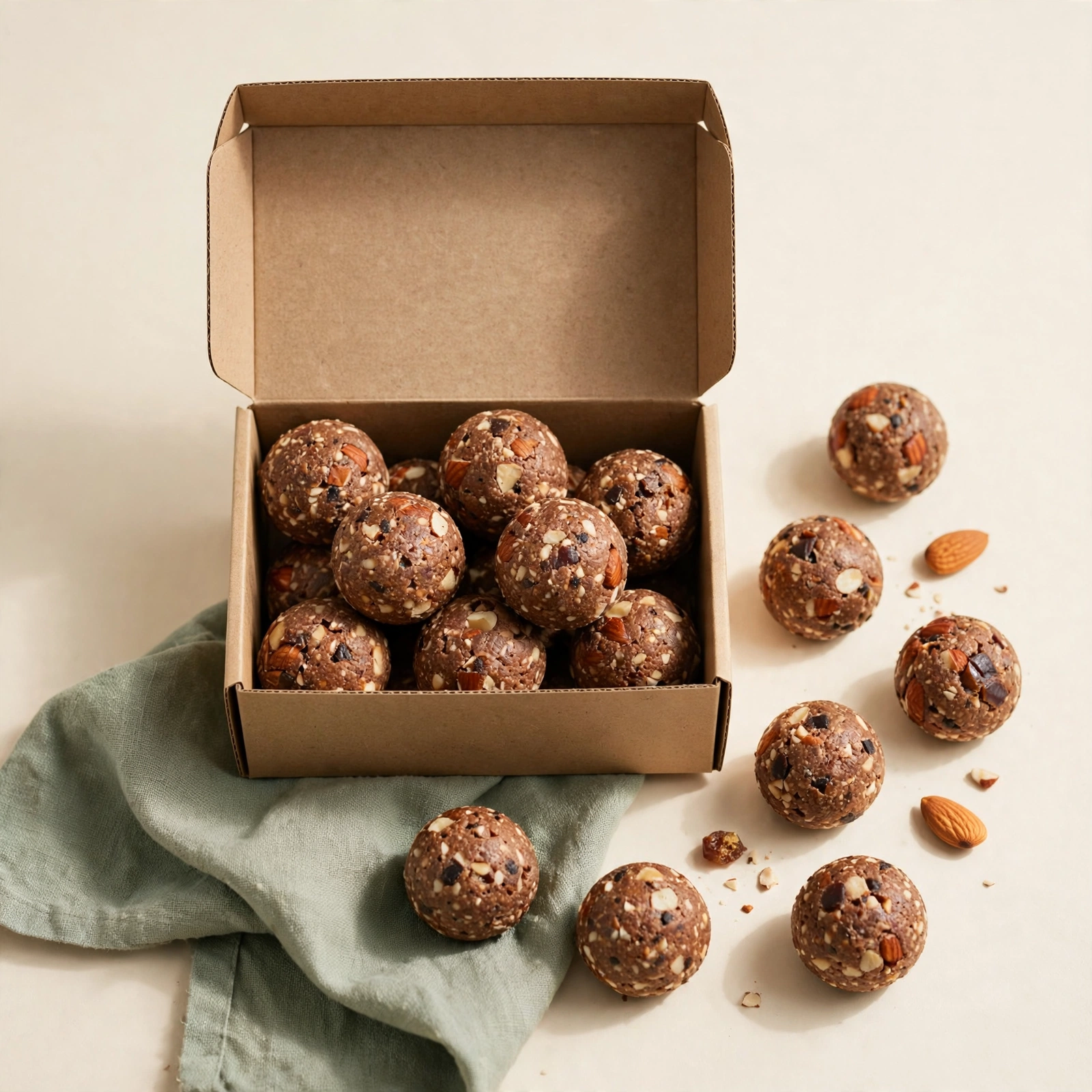
    The fix is boring and effective: fat, protein, and fiber together. They slow digestion and flatten the glucose curve. Dates give quick sugar, almonds and cacao slow it down, and the sea salt covers the electrolytes you lose sitting in a dry office all day. That’s the whole idea behind our Cacao Energy Bites — dates, almonds, cacao, sea salt. Nothing refined, nothing that spikes and dumps.

    The two-minute protocol

    • Two bites and a glass of water at 3pm — not five bites at 3:30 when you’re already gone
    • Ten minutes of walking if you can steal them; movement clears glucose without insulin drama
    • One more glass of water before you reach for the second coffee

    None of this is magic. It’s just refusing to treat your blood sugar like a roller coaster you ride every weekday.

  • Detox tea: what it really does (and what marketing wishes it did)

    Detox is the most abused word in wellness. Your liver detoxes you for free, 24/7 — no powder can do it better. What a genuinely useful herbal tea CAN do is support the organs doing the work: kidneys, liver and digestion. That’s exactly how we formulated the Detox Herbal Tea Duo.

    Morning: nettle & mint

    Nettle is one of the most nutrient-dense plants in Europe — iron, magnesium, chlorophyll — and mint makes it taste like something you’d voluntarily drink. It supports the kidneys’ morning flush and replaces the second coffee you don’t need.

    Evening: chamomile & lavender

    Chamomile’s apigenin binds the same brain receptors as mild sedatives — gently. Lavender isn’t just fragrance: its compounds calm the nervous system you spent all day stress-testing. Together they’re the strongest legal sleep aid in the plant kingdom.

    The honest part

    No tea will undo a week of bad sleep, ultraprocessed food and screen-time marathons. What it will do is make the healthy choice the pleasant one — and that’s the whole game. Consistency beats intensity, in tea as in everything.

  • The 3-minute matcha ritual that actually tastes good

    The Internet promised us the perfect cup: one scoop, blissful focus, zero crash. What most of us got instead was a bitter green sludge we drank out of obligation. The problem is almost never the matcha — it’s the water temperature, the dose, and the whisk.

    1. Stop using boiling water

    Boiling water scalds the powder and pulls out bitter catechins before the sweet amino acids ever arrive. Let your kettle rest for five minutes after boiling, or aim for 70–80°C. If you can sip it immediately without flinching, you’re in range.

    2. Two grams, not one mountain

    One level teaspoon (about 2 g) per 100 ml of water is the sweet spot. More powder doesn’t mean more focus — it means more bitterness and a cash register sound you can hear from the jar.

    3. Whisk in a W, not a circle

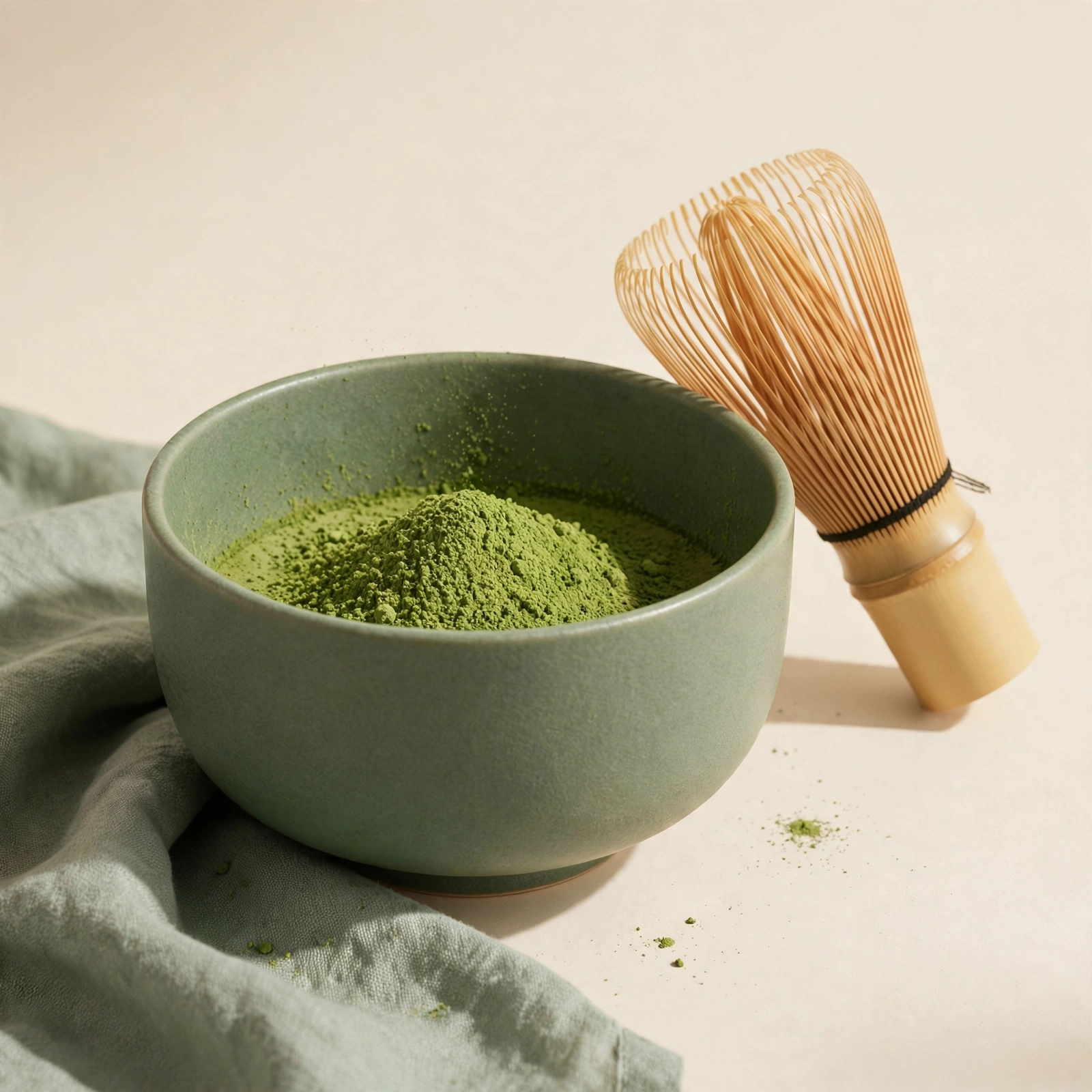
    Circular stirring never breaks the clumps. A bamboo whisk moved quickly in a W or M shape for 15 seconds gives you the smooth, foamy cup ceremonial matcha is famous for. No whisk? A milk frother gets you 80% of the way.

    The 3-minute ritual

    Sift the matcha into the bowl, add 70–80°C water, whisk in a W until foamy, then take it to the window and drink it warm — not in a to-go cup between meetings. The ritual is the point. Focus is a side effect.

  • Golden milk: the evening ritual your grandmother knew about

    Golden milk is the rare wellness trend that earned its reputation. Turmeric’s curcumin is a genuinely studied anti-inflammatory — but it’s also famously poorly absorbed. The fix is a 1,000-year-old recipe hack: fat and black pepper.

    Why the formula matters

    Curcumin is fat-soluble, so a water-only brew wastes most of it. Piperine — the sharp little compound in black pepper — raises absorption dramatically. That’s why every proper golden blend contains pepper, and why you should drink your latte with milk, not water.

    The recipe

    • 250 ml milk of your choice (oat works beautifully)
    • 1 teaspoon Golden Turmeric Latte Blend
    • Half a teaspoon of raw honey
    • A few drops of vanilla if you’re feeling fancy

    Warm the milk gently — do not boil. Whisk in the blend and honey until the color turns deep amber, about one minute. Pour, sit somewhere quiet, and let the evening officially begin.

    When to drink it

    About an hour before bed. The ritual signals to your body that the day is closed — and unlike a glass of wine, you’ll wake up grateful.